
When I first came to Korea, I only saw this country from the outside: order, technology, speed, respect. As time passed, I learned the language, worked, talked with people, and blended into daily life. But even then, there was something very quiet, yet clearly felt. Nobody says it openly, nobody treats you rudely, but a certain phrase keeps circling inside you: "You're still a foreigner." This phrase isn't written in any document, it isn't part of any official rule, but it's felt in many situations, at work, in social settings, sometimes even in ordinary conversations. This isn't discrimination, it's the existence of a boundary. It's like there's an invisible wall, you don't see it, but you run into it anyway.
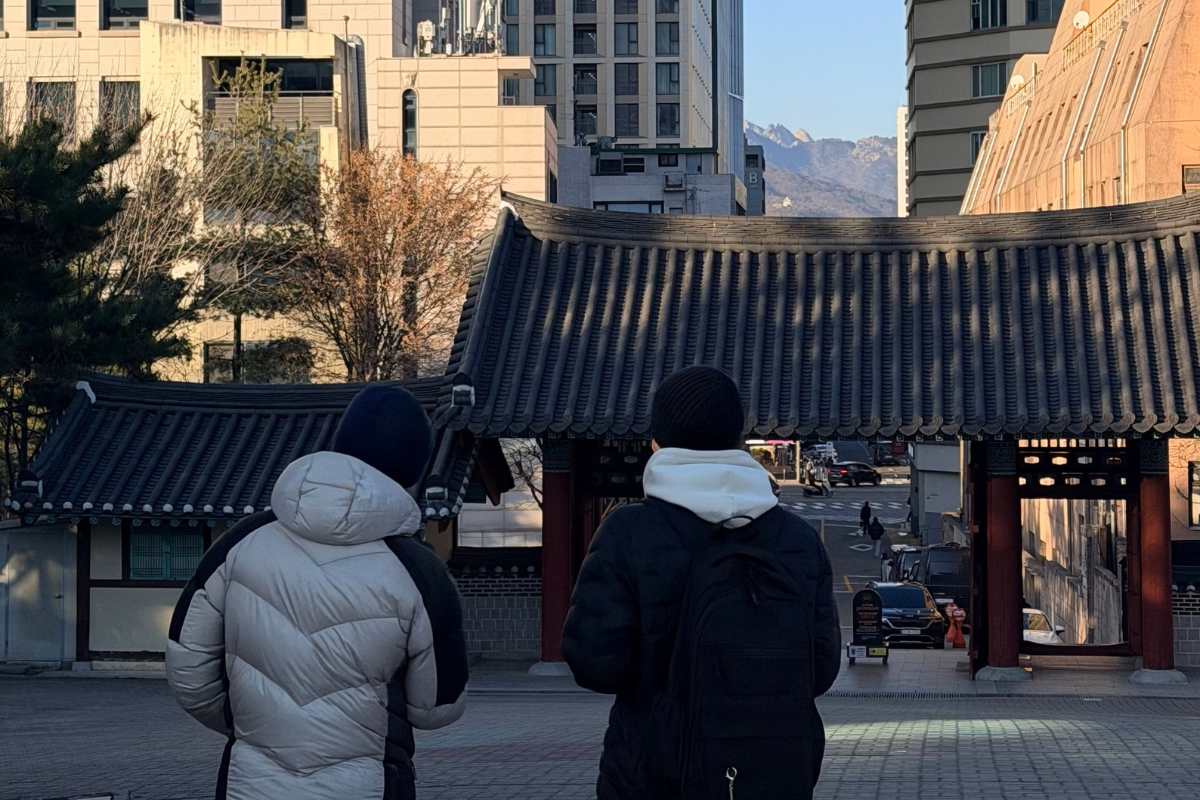
This wall isn't always painful. Sometimes it's just a reminder: this isn't the place you were born. No matter how well you know the language, no matter how well you adapt, certain doors remain open only to locals. Some friendships stay surface-level, and some opportunities are never even offered. What's most interesting is that all of this happens in a very polite form. Nobody dislikes you, nobody laughs at you. The system simply sees you as a "guest." Even a long-term guest is still a guest. Many foreigners living here understand this not through words, but through feeling.
Sometimes I picture this situation like this:
│
├── Locals (inside)
│
└── Foreigners (at the boundary)
This diagram is simple, but it captures the feeling exactly. Standing at the boundary isn't a bad thing, but always standing at the boundary makes a person think. That's why many foreigners choose one of two paths: some try to fully assimilate, others build their own small world instead. In my opinion, the healthiest path is to accept the reality and consciously build your own place within it. Not with resentment, not with complaint, but with understanding. Because this wall doesn't diminish your worth, it only shows the real situation.
📩 Telegram: https://t.me/odilxanivich
If you have any questions or comments, Contact →